
Rope Room Blog
Rope Room Blog
A space for reflections, lessons, and personal insights from years of rope teaching and practice.
Why Can We Tie It In Class But Not Remember It At Home?
Why Can We Tie It In Class But Not Remember It At Home?
You understood it in class. You tied it successfully. You may even have looked at each other afterward and thought, we’ve got this.
Then you try it again at home and somehow the tie has disappeared from your memory.
Not all of it. Just enough to make the whole thing fall apart.
That gap between “we understood this” and “why can’t we remember it now?” is one of the most common and frustrating parts of learning rope.

How I Rebuilt My Rope Practice After A Break
Coming back to rope after a break did not mean continuing exactly where I left off. I returned through familiar ties, repetition, slower practice, feedback, and a rhythm I could sustain. This is how I rebuilt my relationship with rope one session at a time.
Should I Take A Break From Rope And How Do I Come Back?
Should I Take A Break From Rope And How Do I Come Back?
Learn when taking a break from rope may be the right choice, how to return without guilt or pressure, and how to rebuild confidence, connection, and sustainable momentum through familiar ties and manageable practice.


The Rope Advice I Would Give Myself When I Started
The Rope Advice I Would Give Myself When I Started is a reflection on more than thirteen years of rope, learning, teaching, and performing. A look back at the lessons that shaped my practice, from curiosity and feedback to sustainability, growth, community, and the way my understanding of rope has changed over time. What I valued when I started is not always what I value now, and that change has become one of the most meaningful parts of the journey.
How To Get More From A 90 Minute Rope Class
How To Get More From A 90 Minute Rope Class
The Reality Of Convention Education
A lot can happen in 90 minutes.
And a lot cannot.
That is not a criticism of convention education. I have taught at conventions across North America for years. I have seen incredible instructors teach thoughtful, well structured classes in short time blocks.
But there is a limit to what can happen in 90 minutes.
You can be introduced to an idea.
You can be shown a tie.
You can have a moment where something clicks.
What you usually cannot do is fully absorb, understand, practice, troubleshoot, adapt, and retain everything you were shown.
Yet many students walk into a class expecting exactly that.
They leave frustrated because they could not capture every detail.
The students who learn the most often approach those 90 minutes differently.
So You Want To Teach Your First Rope Class
So You Want To Teach Your First Rope Class.
Thinking about teaching your first rope class? This post explores what makes a class clear, memorable, enjoyable, and useful for students, without trying to prove everything at once.
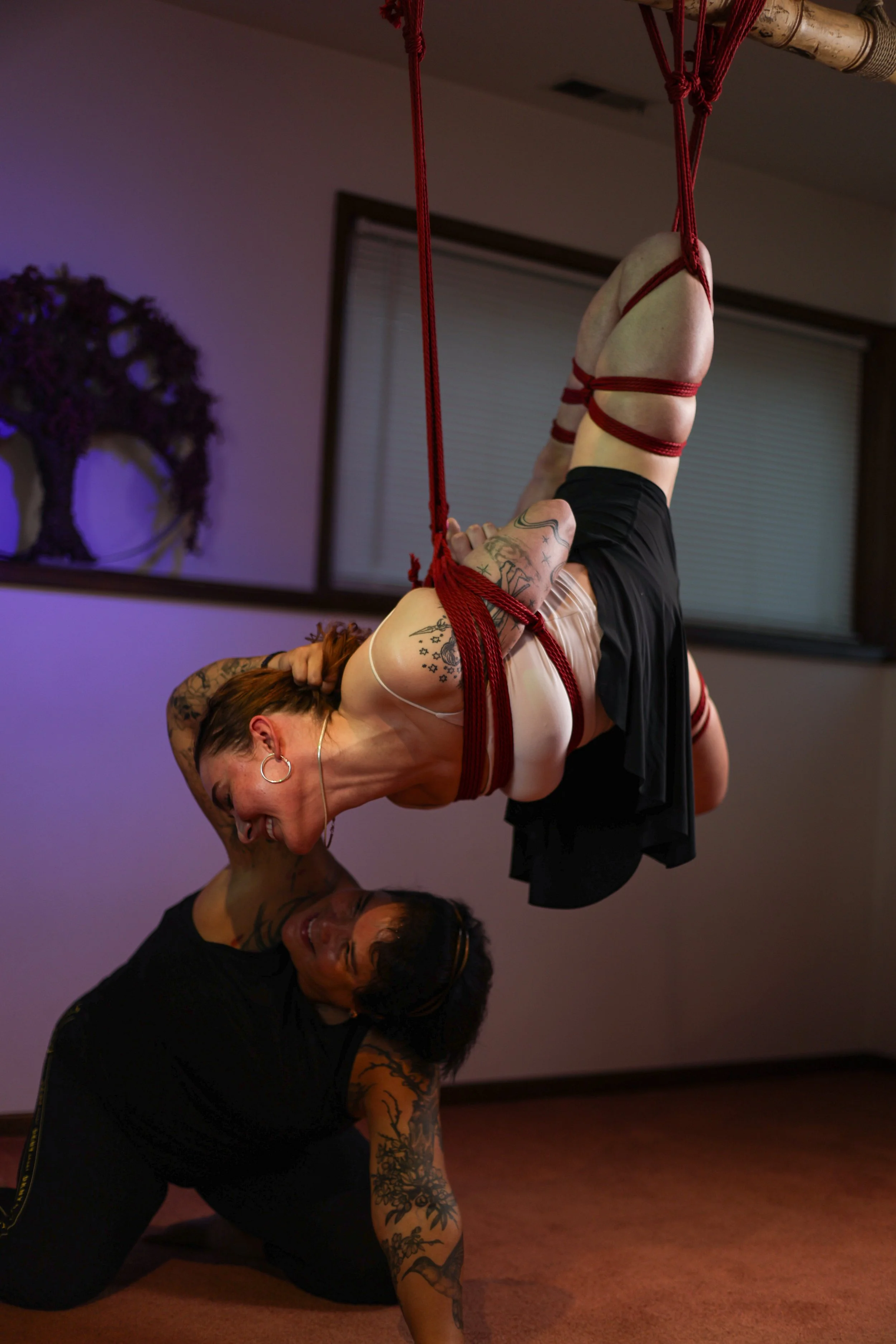
What Do You Pay Attention To When You Watch Someone Tie?
What do you notice when someone ties?
This post looks at the small details that reveal the most. Tension, pacing, awareness, response, and the way rope settles on the body. It is a reflection on what starts to stand out when you watch rope with more experience.
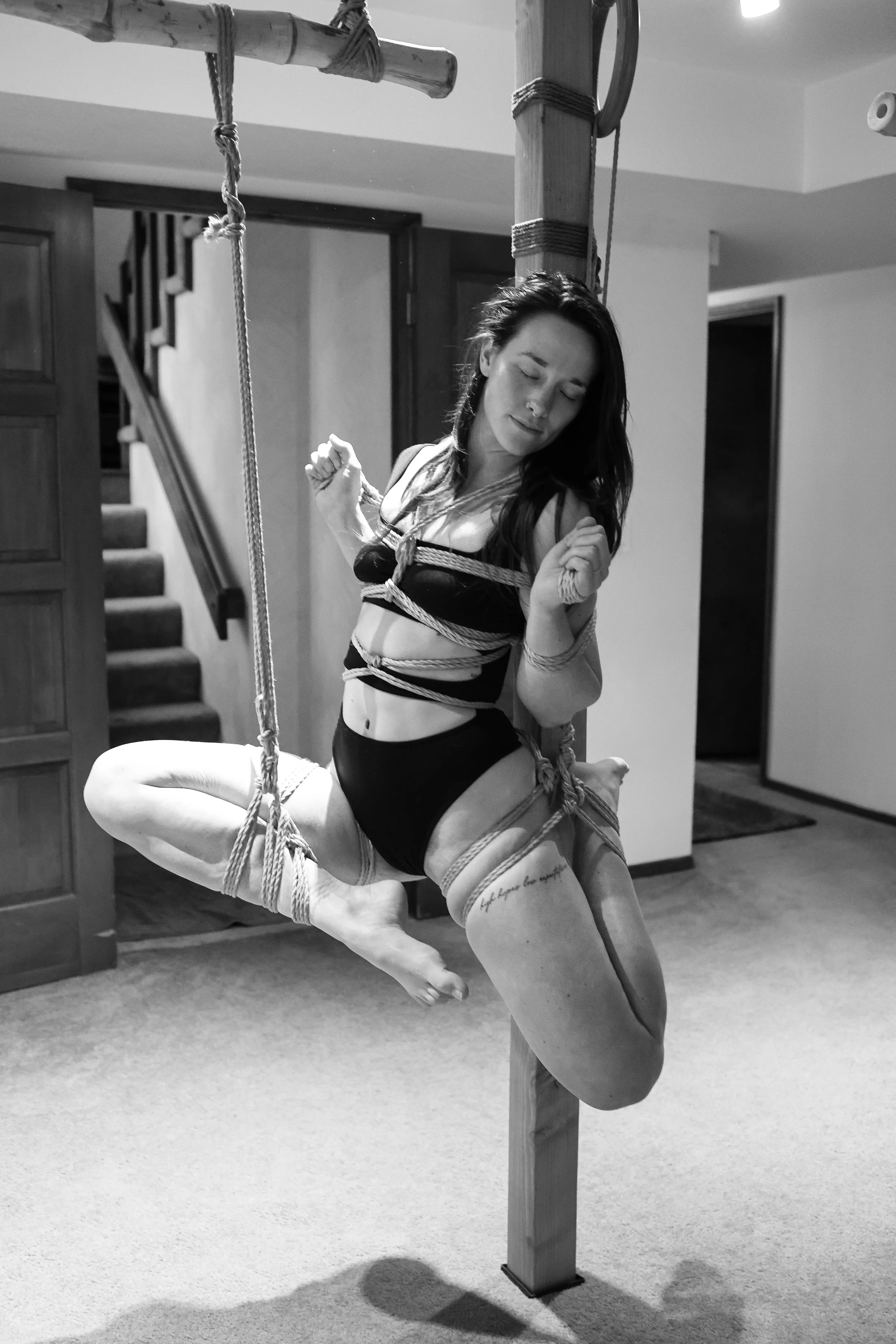
What Happens In A Private lesson And Why It Feels Different
What happens in a private rope lesson, and why does it feel different from a class? This post breaks down how one on one rope coaching builds clarity, improves decision making, and helps your rope feel more consistent, intentional, and easier to trust.
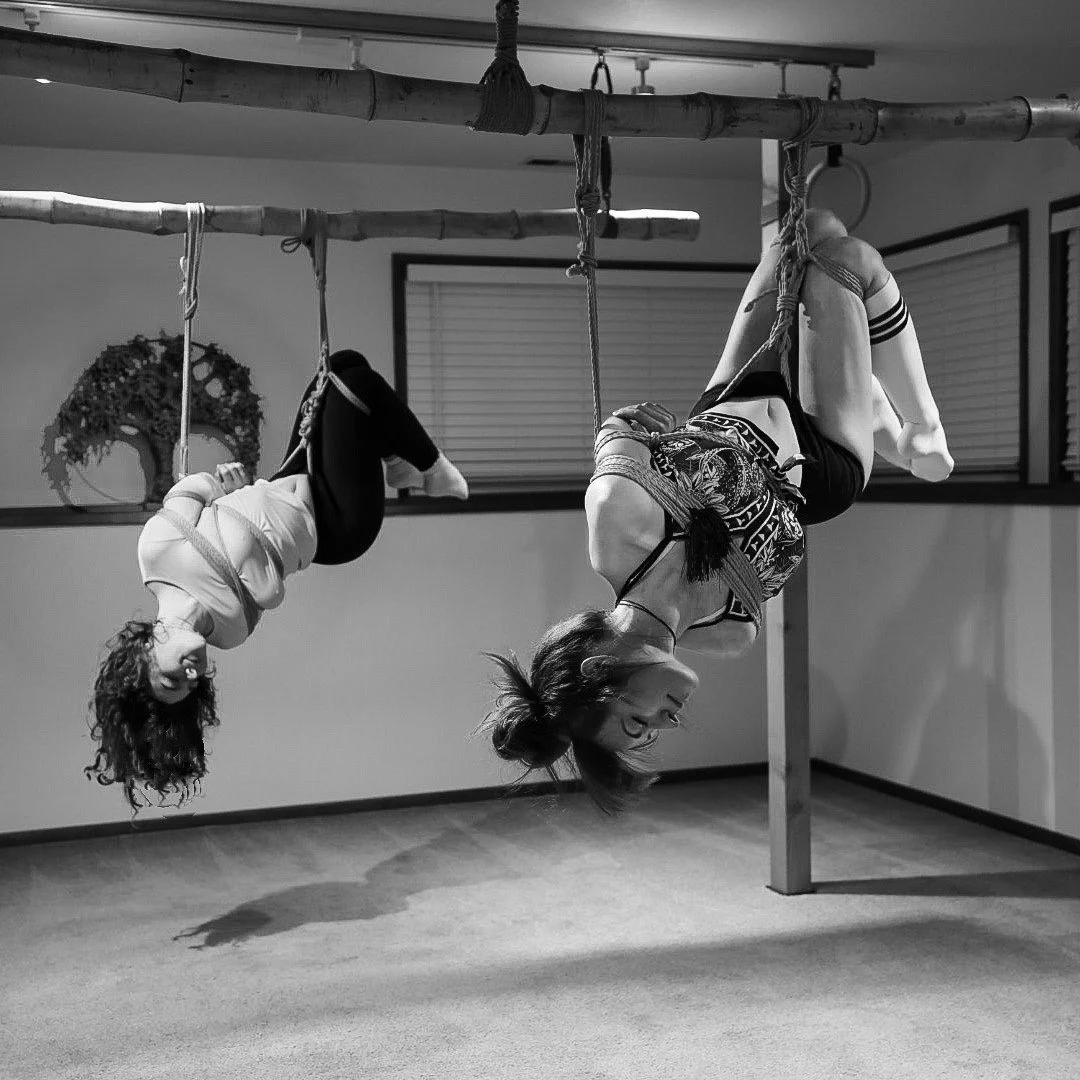
How Do I Know What Skill Level I Am In Rope
How do you know what skill level you are in rope? This post offers a way to understand your rope skill level based on what you notice, how you respond, and how your rope holds across different situations, while helping you identify what may need more attention as you continue to grow.
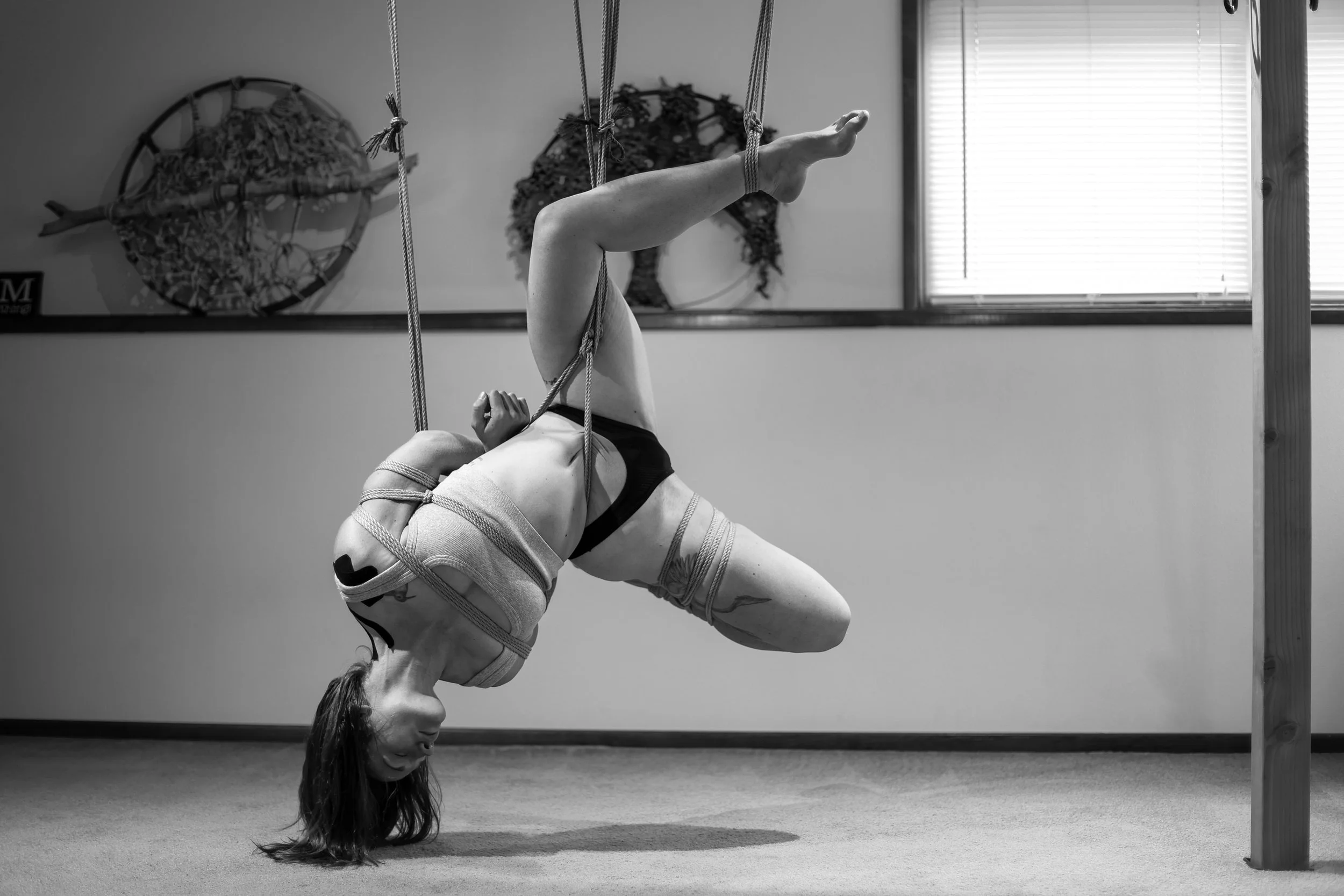
How Consistent Rope Partners Improved My Skills
How consistent rope partners improve your rope skills, adaptability, and communication over time. Learn how long term rope dynamics shape real skill development, decision making, and deeper connection through consistent practice, feedback, variation, and intentional training across different partners.
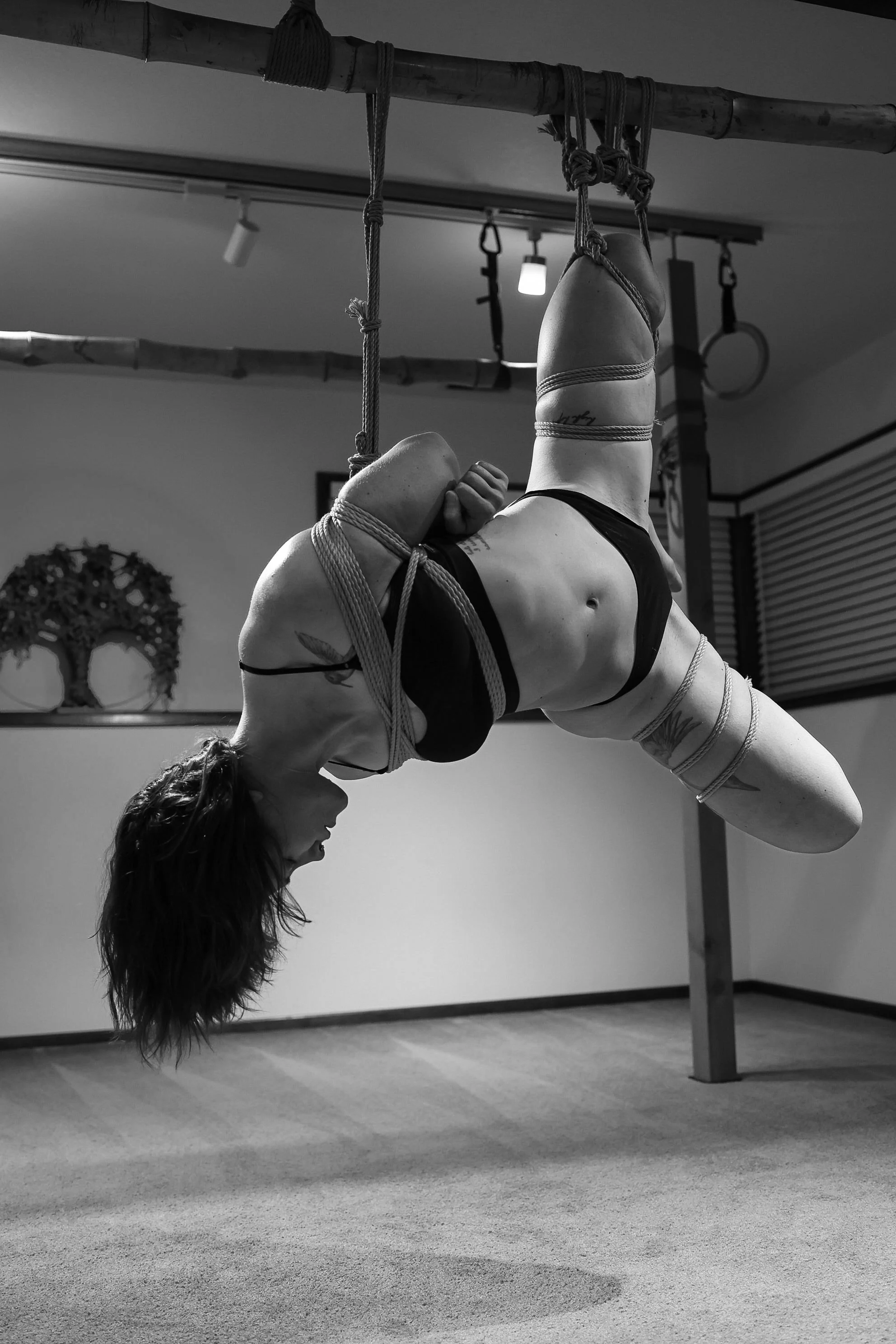
The Difference Between Practicing Rope and Training Rope
Practicing Rope vs Training Rope
Many rope practitioners practice regularly but never see measurable improvement. This article explains the difference between practicing rope and training rope — and why structured training accelerates skill development.
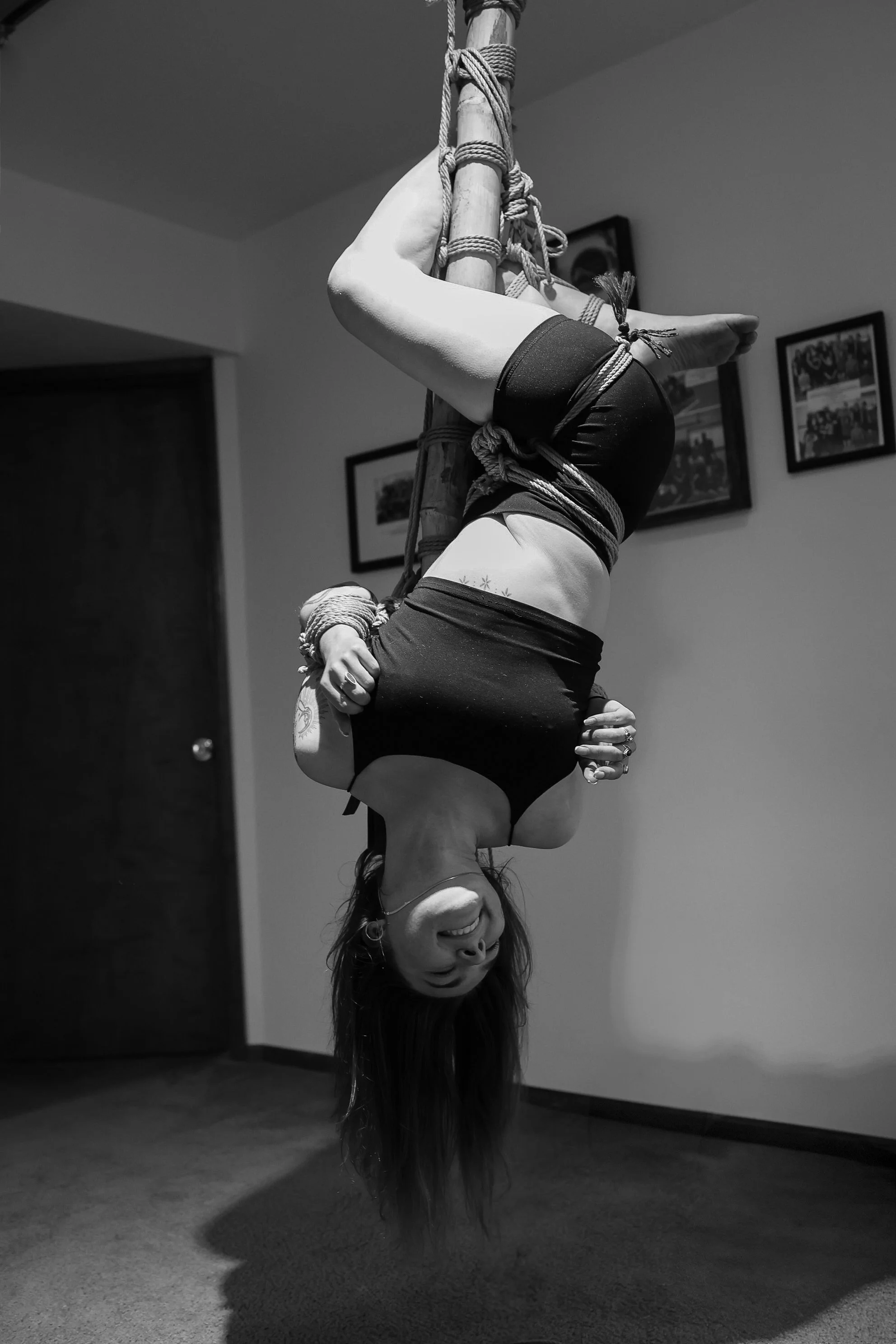
Rope Education That Actually Moves You Forward
Rope Education That Actually Moves You Forward
Choosing the right rope education matters more than collecting classes. This post explores the difference between progressive learning and one-off workshops in shibari, and how structured instruction helps intermediate rope practitioners build consistency, refine technique, and move forward with intention.
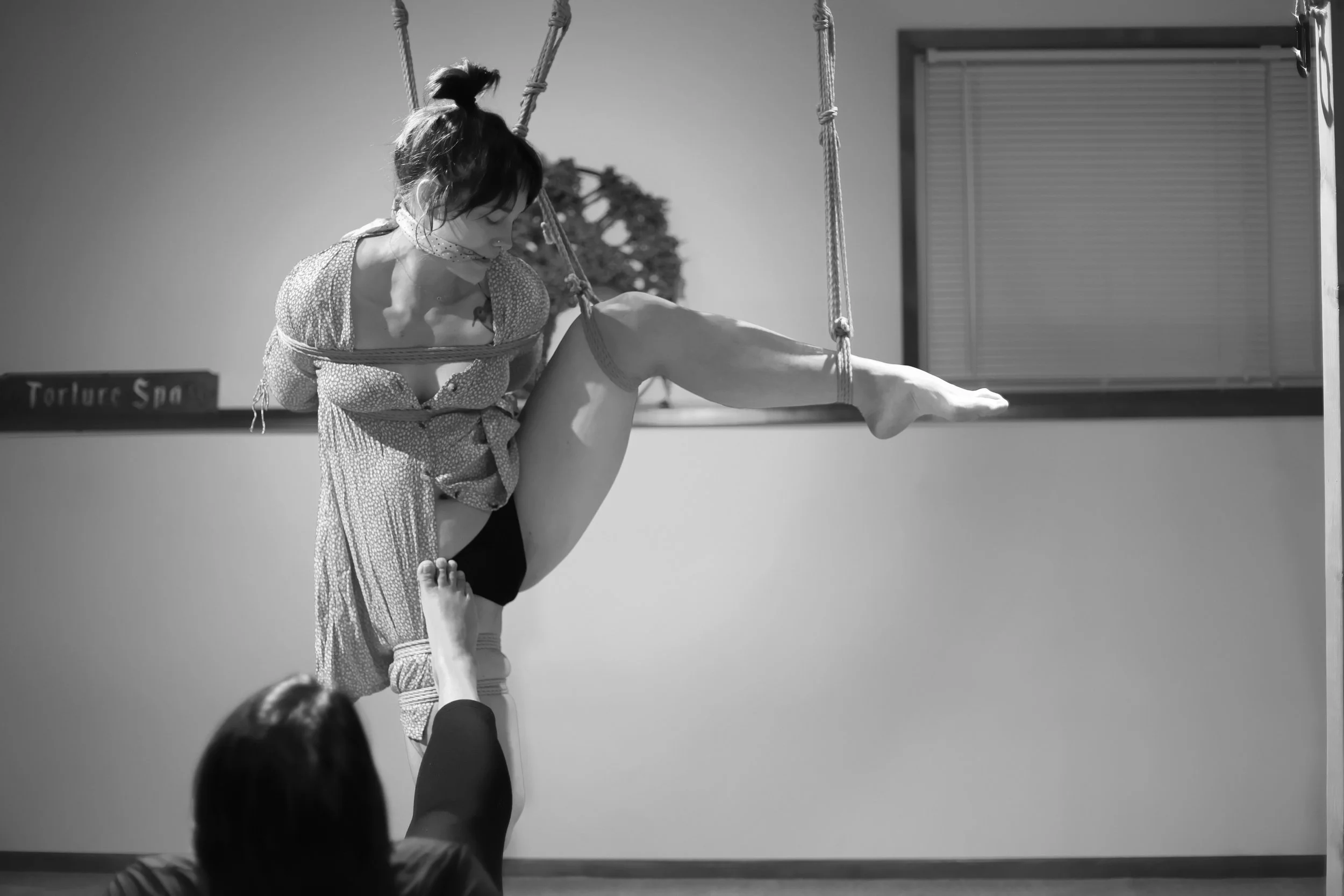
What Actually Makes Rope Feel Good?
What Actually Makes Rope Feel Good?
There is a quiet question that lives underneath many rope experiences, even when no one says it out loud:
Why did that feel so good? Not just physically. But emotionally. Psychologically. Viscerally.
Why did one scene stay with you for days while another, technically correct and visually beautiful, faded almost immediately?
It is easy to assume that good rope comes from advanced skill, complicated ties, or dramatic positions. But the experiences people remember most are rarely defined by complexity. More often, they are shaped by something less visible and far more intentional.
Rope doesn’t feel good by accident. There is something else worth saying plainly. Good rope is not created by talent alone. It is created by attention.
It asks the person tying to stay present instead of performative. It asks the person being tied to stay connected instead of disappearing. When either person is distracted, rushing, proving something, or chasing an outcome, the body can feel it immediately.
Rope has very little tolerance for pretense. You cannot fake presence with another nervous system pressed so close to your own. The body reads what is real long before the mind explains it.
When rope feels deeply good, it is often because both people have made the quiet decision to arrive fully and remain there. It feels good when the nervous system is able to settle inside the experience.
And that is something both people create together.
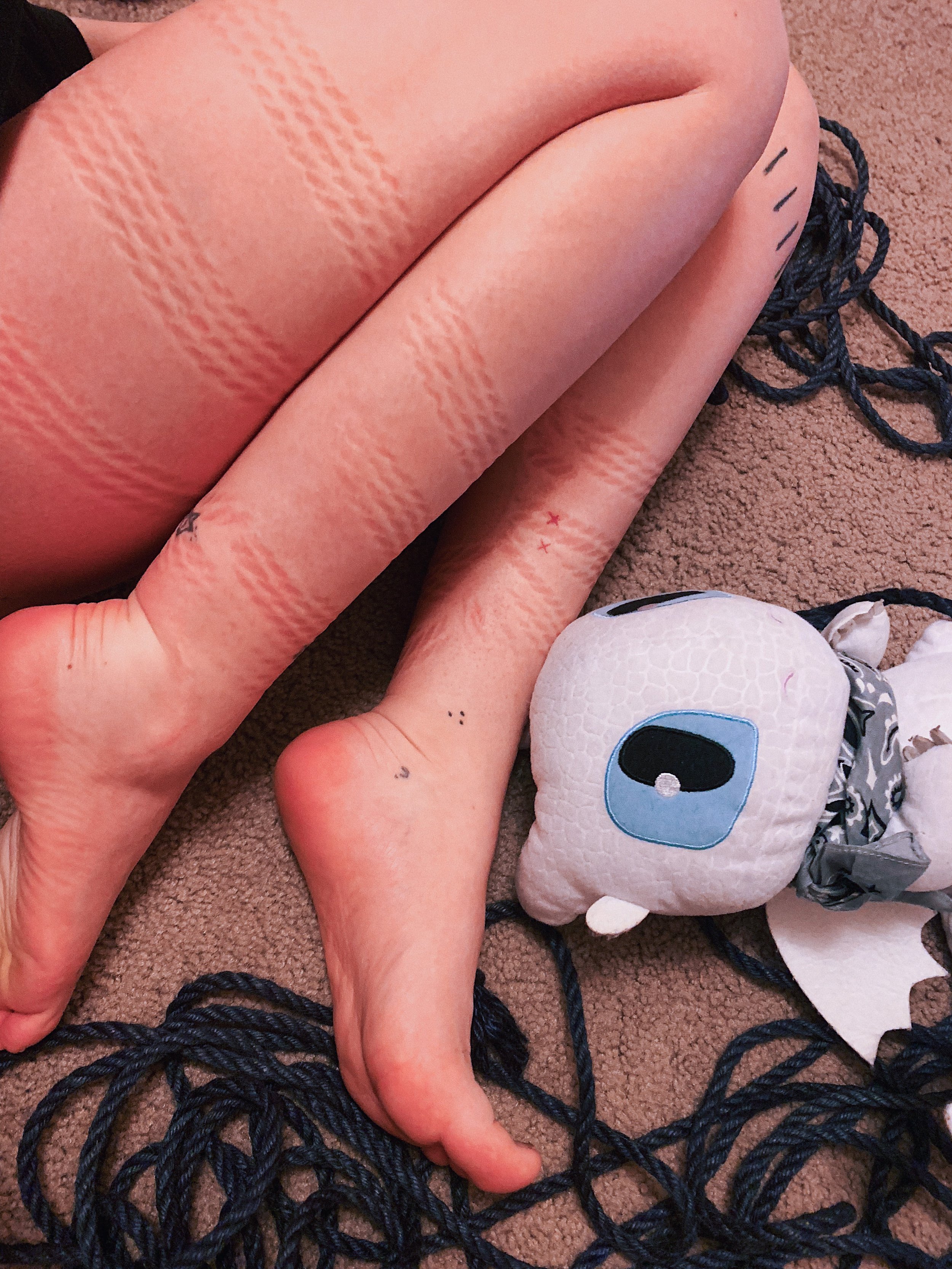
Aftercare Is Part of the Practice
Aftercare Is Part of the Practice
How Care, Recovery, and Responsibility Sustain Rope Over Time
There’s a moment in many rope journeys when the focus shifts.
Early on, attention is often placed on safety, technique, and getting through the scene itself.
Aftercare is discussed, but usually as something that happens afterward. A closing gesture. A soft landing. An important detail, but still a detail.
As practice deepens, that framing stops holding.
Aftercare stops feeling like the end of something and starts revealing itself as part of the work.
Not because scenes become riskier, but because the body and nervous system become more familiar. More honest. Less willing to be rushed past.
Care is no longer optional. It becomes foundational.
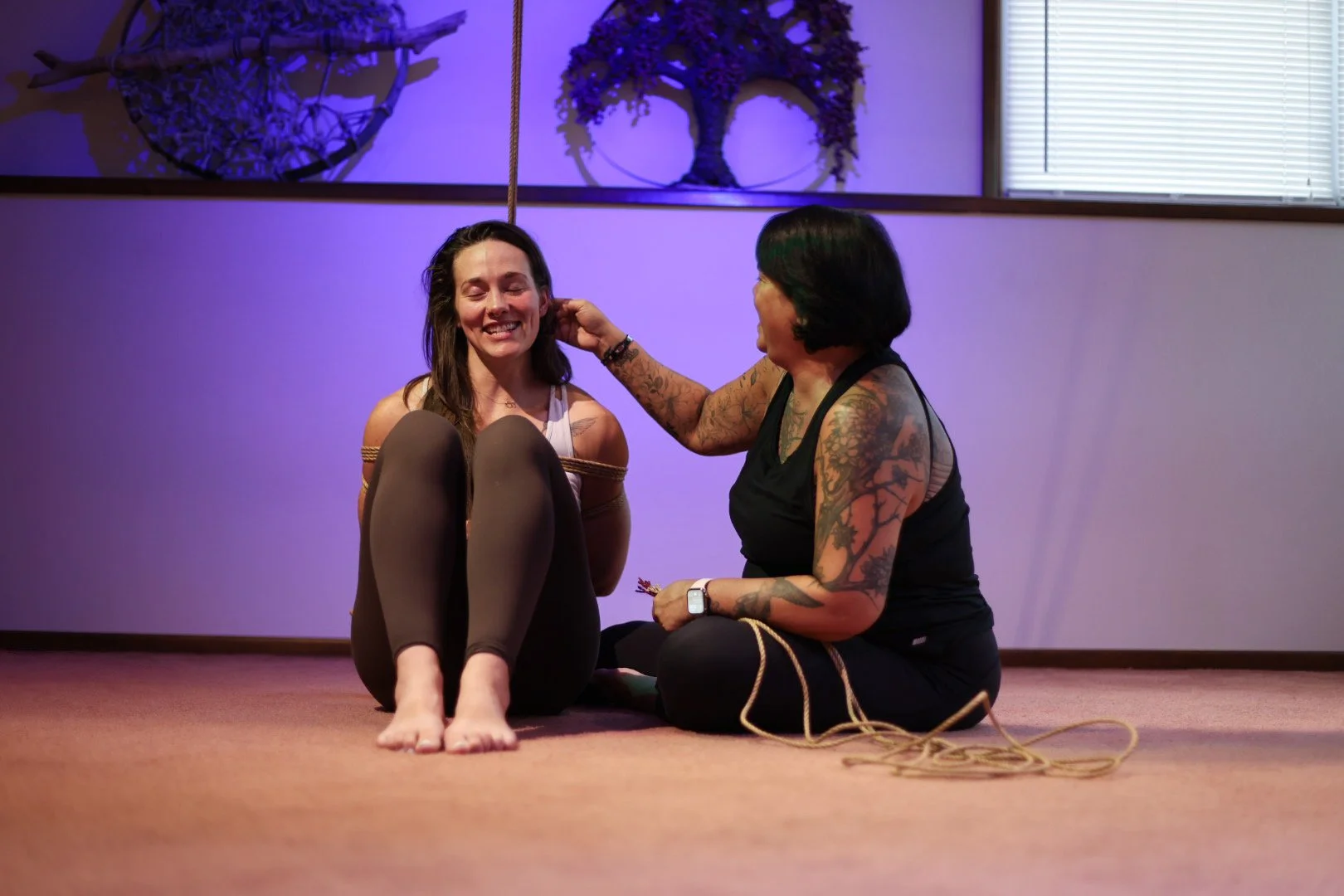
Learning to Choose, Not Accumulate, in The Middle
Learning to Choose, Not Accumulate, in The Middle
As rope practice matures, growth becomes less about accumulation and more about choice. A thoughtful look at how learning evolves in the middle of a rope journey, and how classes and instruction serve a different purpose as depth replaces novelty.
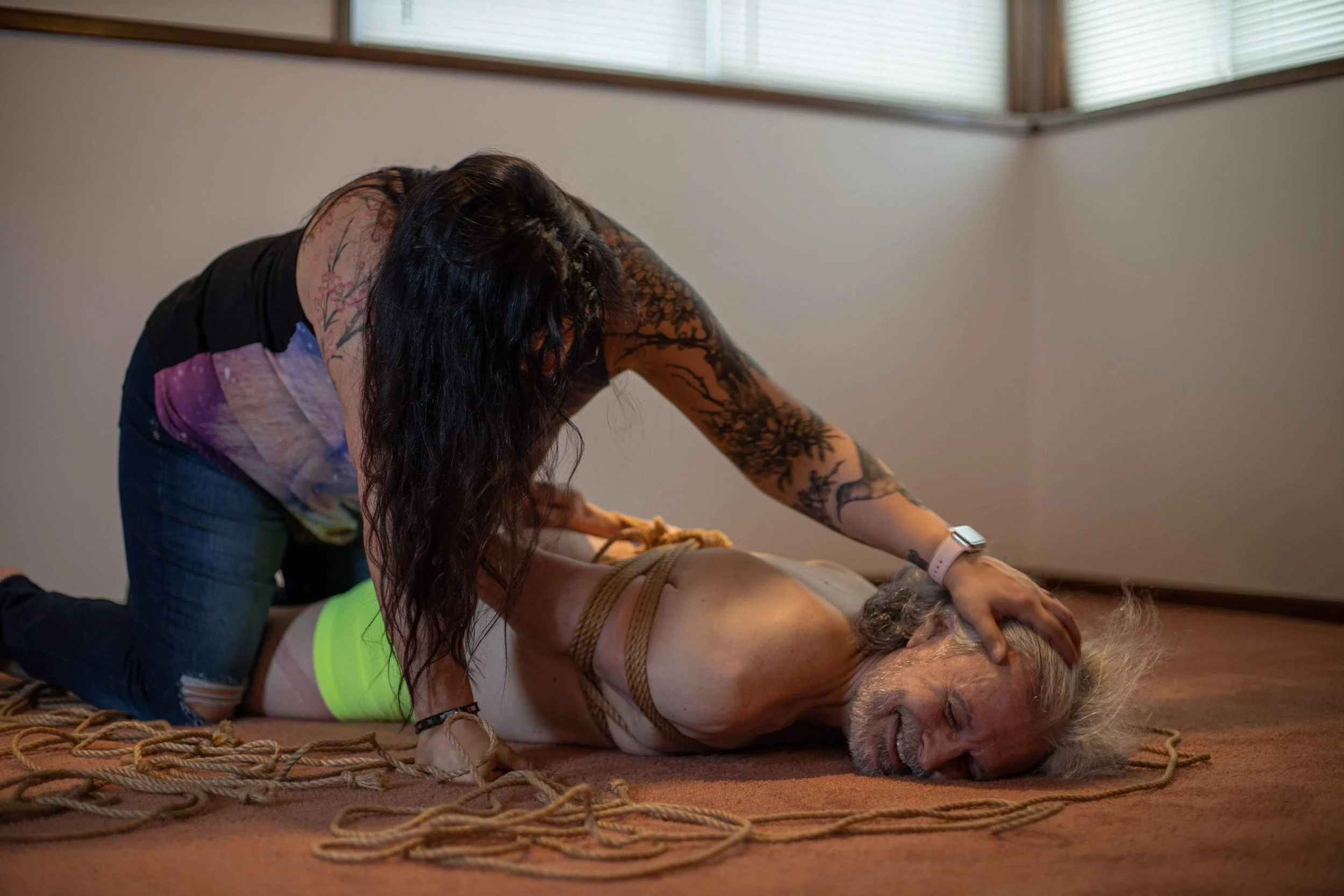
The Middle of Your Rope Journey
What No One Tells You About the Middle of Your Rope Journey
There is a lot of attention given to the beginning of rope.
Beginners are welcomed, guided, reassured. Their questions are expected. Their uncertainty is normalized. There is excitement, novelty, and encouragement built into every interaction.
There is also admiration for people who have been doing rope for a long time. Advanced players are recognized for their skill, their confidence, their depth. They are seen as people who “know what they’re doing.”
But almost no one talks about the space in between.
The middle of a rope journey is quieter. It can feel confusing. And for many people, it’s the point where doubt creeps in for the first time.
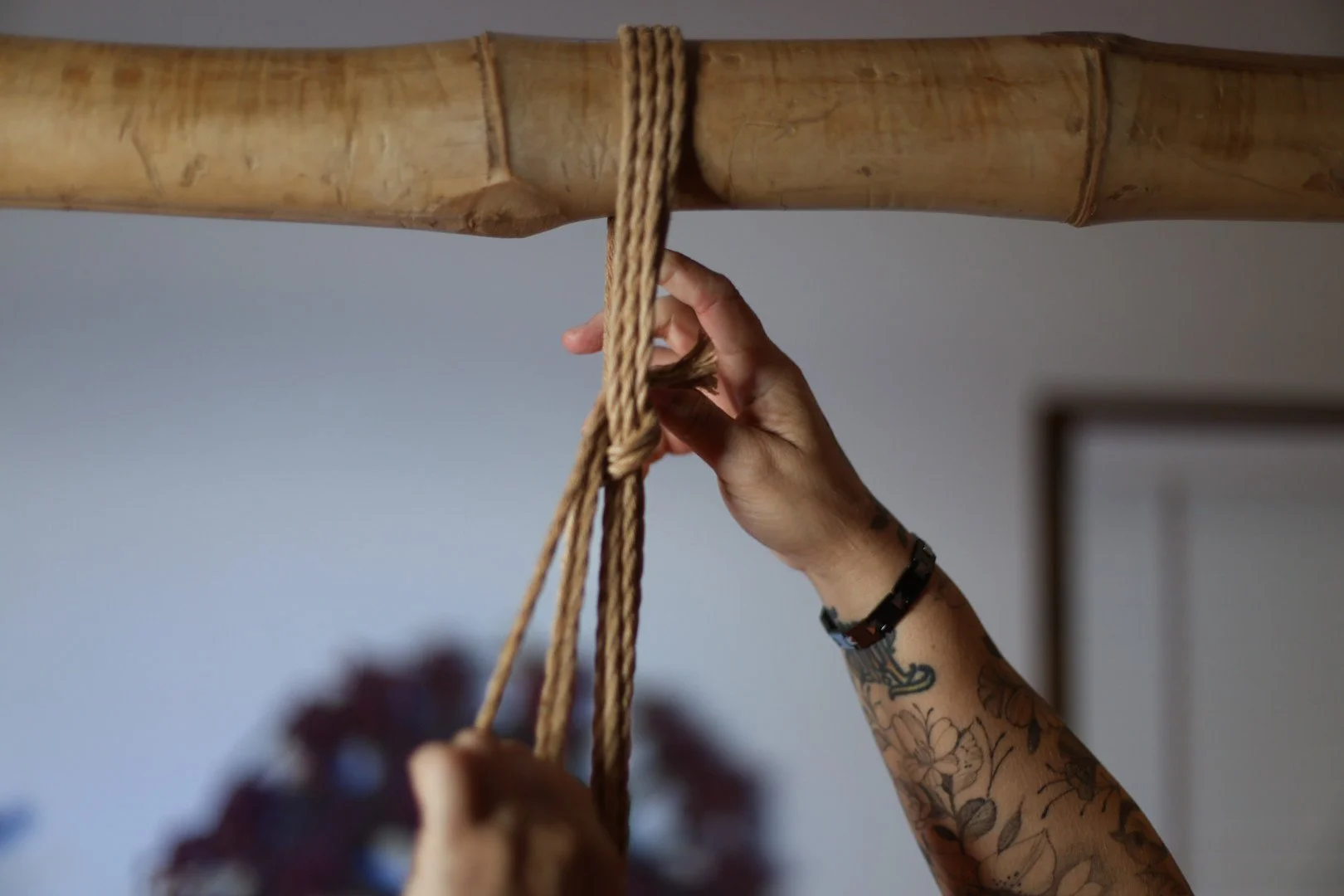
Building Skill as a Rope Top
Building Skill as a Rope Top
Putting rope on another human is not about perfection, performance, or memorizing patterns.
It starts with communication, is shaped by consent, and is held together through consistency.
Your partner’s body responds to your choices — your pacing, your clarity, your presence, your confidence, and your ability to stay grounded when things get intense. Skill as a rope top doesn’t grow from fancy ties. It grows from the conversations you have, the way you observe your partner, and your willingness to stay a student no matter how long you’ve been tying.
When communication is clear, consent is thoughtful, and your behavior is steady, rope becomes safer, deeper, and far more meaningful for both people.
These are the qualities that make someone trustworthy in rope.
These are the qualities that make someone a joy to tie with.
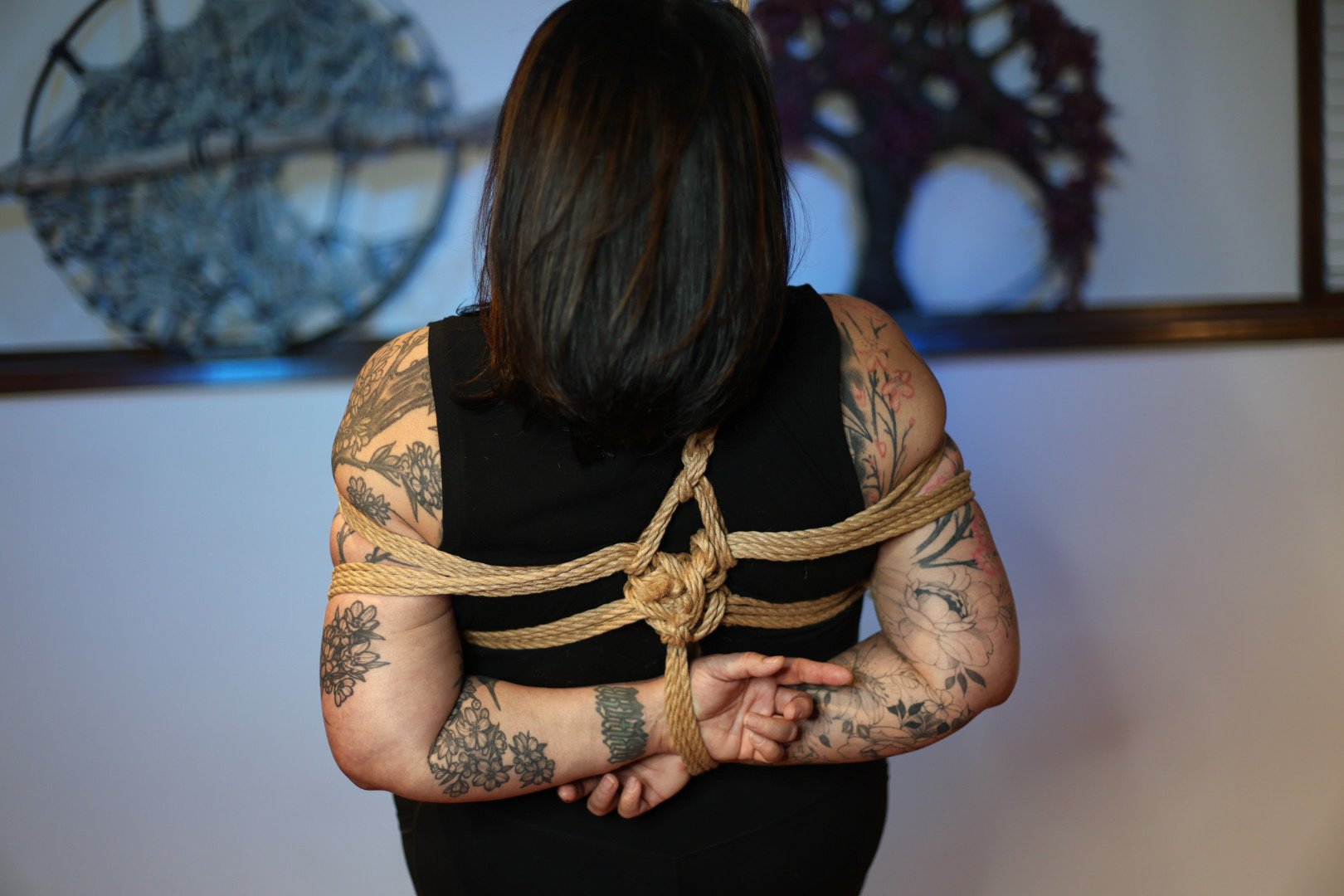
Building Skill as a Rope Bottom
Building Skill as a Rope Bottom
Why understanding your experience matters
Rope brings you into places where sensation, emotion, breath, and body awareness all meet. Some moments feel warm and grounding. Others feel intense or disorienting. Sometimes you float. Sometimes you drop. Sometimes you feel everything at once.
When you’re the one being tied, your experience shapes the entire scene. You’re not passive. You’re not ornamental. You’re an active participant whose body, breath, and communication guide what happens next.
Skill as a rope bottom isn’t about being stoic or silent. It’s about staying present enough to notice what’s happening in your body and knowing what those signals mean. This awareness keeps you safer. It deepens connection. It helps you participate with clarity instead of guessing.
The more you understand your experience, the more confident, grounded, and capable you become in rope.

Negotiation Basics for Rope Sessions
Why negotiation matters
Every rope exchange begins long before the first knot.
It starts with a conversation — one built on curiosity, honesty, and consent.
Negotiation isn’t about rules or scripts. It’s about creating a shared understanding: what each person hopes for, what’s off-limits, and what support looks like if something shifts during the session.
When done well, negotiation becomes an act of care.
It turns “tying” into “collaborating.”
It builds the trust that makes rope both safe and meaningful.