Negotiation Basics for Rope Sessions
Negotiation Basics for Rope Sessions
Why negotiation matters
Every rope exchange begins long before the first knot.
It starts with a conversation built on curiosity, honesty, and consent.
Negotiation isn’t about rules or scripts.
It’s about creating a shared understanding: what each person hopes for, what’s off-limits, and what support looks like if something shifts during the session.
When done well, negotiation becomes an act of care.
It turns tying into collaboration.
It builds the trust that makes rope both safe and meaningful.
What negotiation really is
Negotiation means clear communication about intentions, limits, and boundaries before rope begins.
It’s not a checklist. It’s a dialogue.
You’re learning about each other’s needs:
What kind of experience do we want to create?
How do we define safe and comfortable?
What emotions or sensations are we exploring?
What energy would you like to give, and what kind of intention would you like to receive?
This process prevents confusion and sets the tone for a grounded, respectful experience.
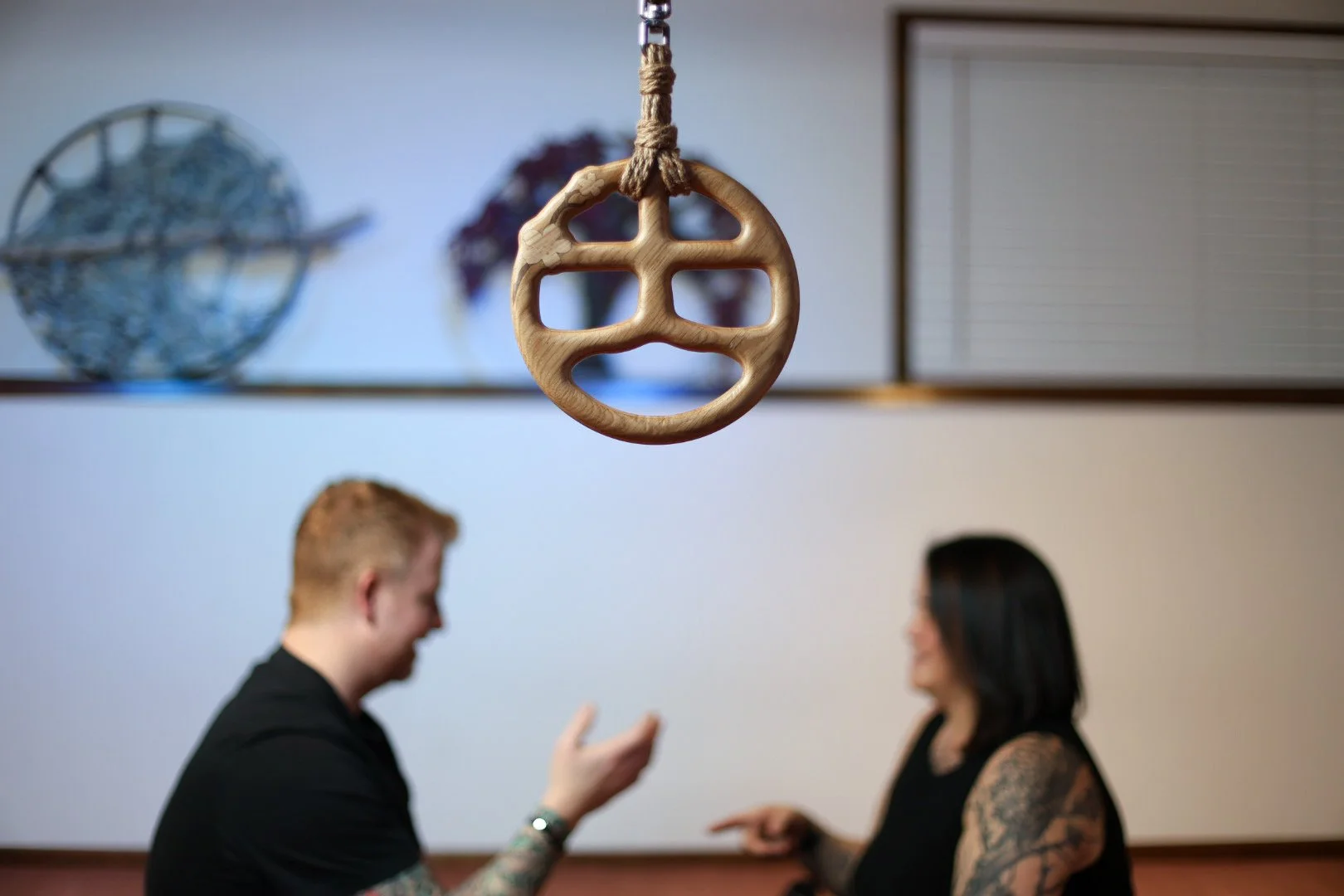
Negotiation conversation.
Negotiation means clear communication about intentions, limits, and boundaries before rope begins. It’s not a checklist. It’s a dialogue.
How to negotiate effectively
1. Start with purpose
Begin by asking yourself why you want this session. Your reasons shape the entire experience. You might be here to learn technique, explore sensation, understand your body more deeply, or build connection with someone that you can trust. When you name your purpose, the rest of the negotiation becomes easier, calmer, and more aligned with what you actually need.
What intention and energy I am going to be giving:
Rope sessions with me serve two purposes:
First, they are a way for you to gain real, lived experience so you can build a clear vocabulary for your preferences. When you understand what positions feel right in your body, you can speak about them with confidence. You might discover that you enjoy side suspension, prefer an arms-front chest harness, or dislike inversion. Experience gives you language.
Second, I want to build a gentle, respectful friendship during our time together. A kind of connection where, if we cross paths in real life, we feel comfortable enough to say hello with a smile, and safe enough to trust each other’s discretion. Rope creates shared moments, and I want those moments to feel warm and appropriate long after the session ends.
2. Share limits and needs clearly
Be honest about boundaries, injuries, or emotional limits.
If something is new, say so.
If something is a hard limit, say it plainly.
Use inclusive vs exclusive structure: Inclusive negotiation focuses on explicitly stating what you want to do, while exclusive negotiation focuses on listing everything you do not want to do. Inclusive consent is often seen as a safer and more effective negotiation style because it names desired activities, while exclusive consent can allow any activity not explicitly forbidden, which can be risky.
What we will not do:
Clear boundaries help both of us feel safe before we begin.
I like to share limits that I set for myself while I am tying you. These limits apply to every rope session:
I will not touch your eyes, nose, mouth, or neck.
I will not place anything inside your ears.
I will not touch any area you would normally cover at a public swimming pool.
I will not use hair bondage, finger bondage, or toe bondage during the first couple of times we work together.
These guidelines protect your body and give us space to build awareness and communication over time.
As we develop trust and experience together, we can revisit what feels right for you.
3. Talk about aftercare early
Before we begin, it helps to name what supports you afterward. You might need rest, quiet, hydration, or a little space to settle. Aftercare isn’t an add-on at the end of the session. It’s part of negotiation because your body and mind deserve care from start to finish. When we talk about it early, we create a smoother, more grounded way to close the experience together.
What aftercare looks like in my sessions:
I offer the same aftercare at the end of every private session unless we’ve discussed something different.
I will end with your head on a pillow.
I place a warmed hospital blanket over you, then a weighted blanket on top of the hospital blanket.
Once you’re settled and comfortable, I step back and give you quiet time to rest and come back to yourself at your own pace.
This space allows your body and mind to unwind, integrate, and return to balance before we reconnect for a final check-in.

Aftercare isn’t an add-on at the end of the session. It’s part of negotiation because your body and mind deserve care from start to finish.
Sheet, pillow with a pillow case, hospital blanket, weighted blanket, and a cold bottle of water.
4. Use simple language
Tell me what feels right in your body. Tell me what doesn’t. Clear language helps both of us stay grounded in the moment. You don’t have to find perfect words. You only need to share what’s true for you.
Think about the kind of language that supports you. Some people feel encouraged by words like strong, steady, or tough. Others connect more with words like beautiful, fierce, or pretty. And some prefer neutral praise like impressive or capable.
Knowing what feels good to hear helps us stay connected and aligned. The words we use shape the tone of the session, so naming your preferences makes the experience feel more like yours.
Why we talk before every session
Negotiation isn’t something we do once or just the first time. We return to it before every session because you are not the same person you were last time. Your intentions may shift. Your mood may settle in a different place. Your desires, boundaries, and comfort levels can grow, soften, or change.
Taking a few minutes to check in lets us work with what is true right now. It helps us build a session that reflects your present state rather than your past expectations. This simple conversation makes each experience safer, more connected, and more responsive to growth.
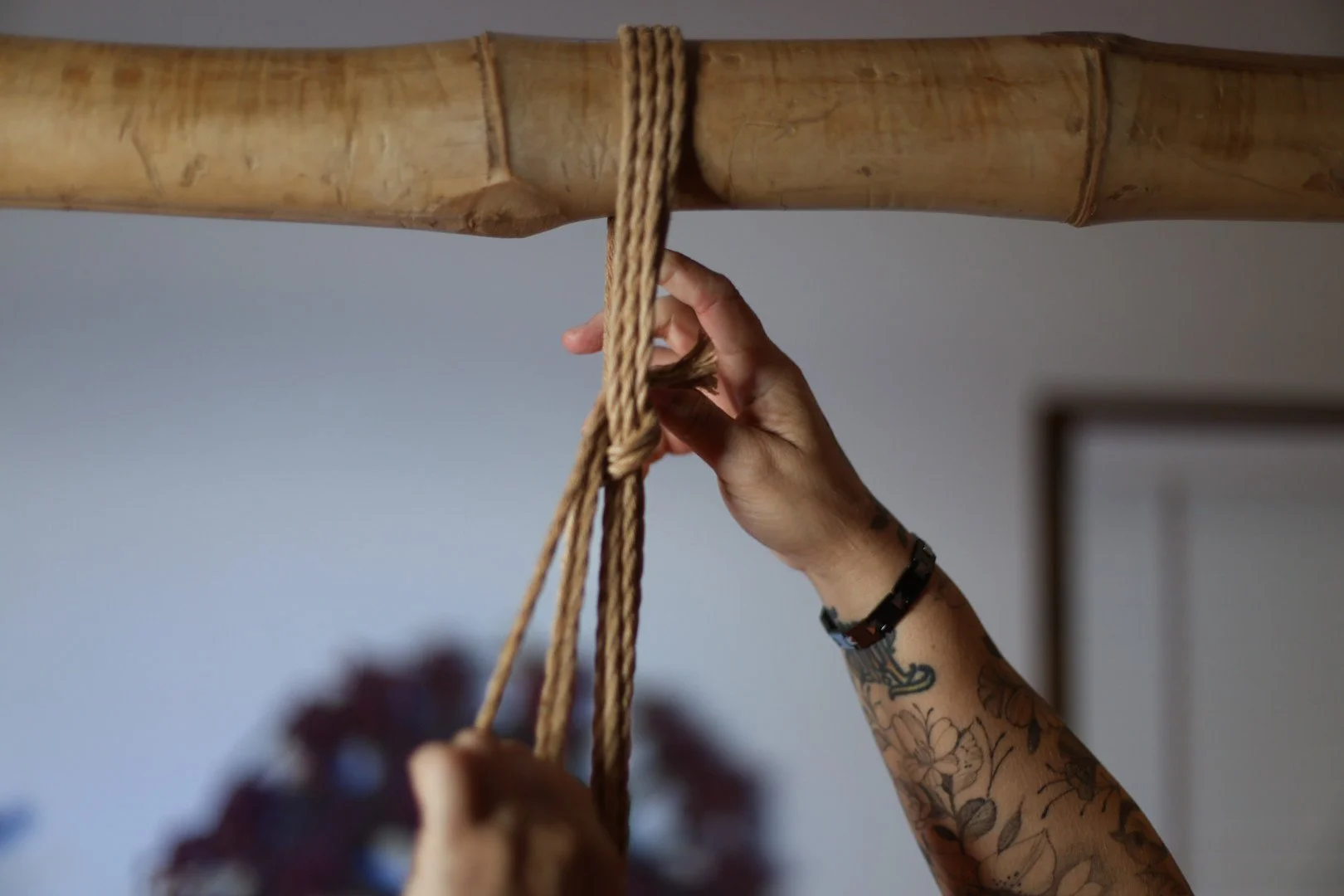
Hands adjusting the rope in a bamboo lock-off during a suspension tie.
Now: take the time to talk first
Rope is built on trust, and trust begins with conversation.
Taking time to negotiate openly can turn a session from uncertain to meaningful.
If you’re ready to explore private sessions grounded in consent and communication, you can view current availability on theBOOKING CALENDARtab.
Next post in the Rope Room Blog is Building Skill as a Rope Bottom on December 8, 2025